
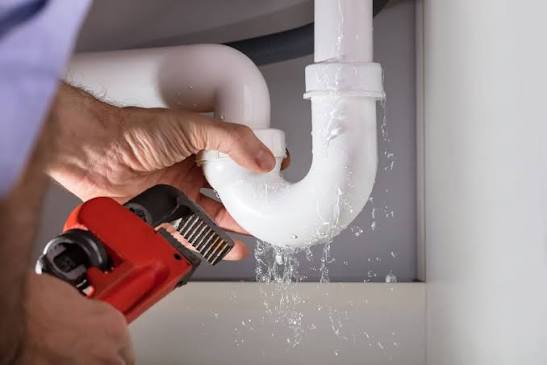
Many building owners operate under the assumption that plumbing systems are static, set-and-forget assets. The common belief is that pipes remain functional until they reach a point of catastrophic failure. While this might seem like a practical approach to maintenance, it often leads to significant operational disruptions and high remediation costs. The reality is that commercial plumbing services and infrastructure require a more proactive, risk-managed approach to ensure long-term stability for facilities of all sizes.
Understanding the Vulnerabilities in Commercial Infrastructure
Building systems are frequently subjected to conditions that differ from residential environments. High-volume usage, specialized waste profiles, and aging utility lines create constant, low-level stress on pipes. Over time, these conditions can cause materials to degrade, joints to weaken, and internal dimensions to narrow, even if the system appears to be performing normally.
Facilities that handle high concentrations of food waste, oils, or industrial particulates often experience faster buildup within their systems. When this accumulation is ignored, it typically restricts flow capacity, forces pumps to work harder, and increases the internal pressure on older sections of pipe. Operators who assume their system is fine simply because water is still moving often overlook the silent degradation occurring deep within the lines.
Why Routine Oversight Matters
The strategy of waiting for an emergency to occur is rarely cost-effective in a commercial setting. When a system reaches a breaking point, the resulting downtime can interrupt business operations, displace tenants, or compromise workplace safety. Instead of reacting to failures, building managers often find it more beneficial to work with professionals who can perform regular assessments.
A thorough assessment typically includes:
- Visual inspections of high-risk connection points.
- Evaluating pressure levels at different points of the system.
- Monitoring for signs of moisture or discoloration in areas where pipes are hidden.
- Assessing the age and material composition of the existing sewer and water lines.
By establishing a baseline for how a system behaves under normal conditions, facility managers can better identify the small, early signs of trouble before they escalate.
Addressing Sewer Line Repair and Structural Integrity
Sewer lines are perhaps the most critical, yet least visible, components of a building’s plumbing infrastructure. They operate under complex conditions, often navigating shifts in ground temperature, potential root intrusion from nearby landscaping, and the slow structural fatigue that comes with age.
When a sewer line repair becomes necessary, the process is often more involved than a surface-level fix. Practitioners typically use specialized technology to map the internal state of these lines, which helps determine the extent of the damage. Relying on guesswork or attempting to address deep-system issues with surface-level tools often leads to incomplete repairs that fail again within a short window.
Instead, a thoughtful approach focuses on:
- Root cause identification: Determining whether a blockage is due to temporary buildup or a deeper structural compromise.
- Material compatibility: Ensuring that any patches or replacements align with the existing pipe material to prevent future points of failure.
- Long-term flow management: Considering how future changes in building usage might place new demands on the sewer line.
Differentiating Between Superficial and Structural Issues
In practice, the distinction between a temporary clog and a serious structural issue is often subtle. A drain that clears slowly might be a simple case of isolated sediment accumulation, or it could be an indicator of a collapsing pipe located far downstream.
The danger in misdiagnosing these issues lies in the tendency to use generic solutions for complex problems. For instance, frequent use of chemical agents to clear lines can sometimes mask the underlying problem while simultaneously damaging the interior integrity of the pipes themselves. Building owners are generally better served by asking for documentation on the state of their infrastructure rather than opting for quick fixes. If a service provider suggests a repair, a clear explanation of what they observed, why it requires attention, and how the proposed solution addresses the root of the problem is a hallmark of professional service.
Reframing the Approach to Facility Maintenance
Thinking about a building’s plumbing as a living, evolving system rather than a static piece of architecture changes the entire management strategy. Proactive maintenance is not about constantly replacing parts; it is about extending the useful life of the infrastructure through consistent care and informed decision-making.
When managers view commercial plumbing services as a partnership rather than a series of one-off transactions, the dynamic shifts. The goal moves toward achieving a predictable, reliable environment where the plumbing system supports the business, rather than hindering it.
Key Considerations for Long-Term Planning
- Documentation: Maintain records of all past services and assessments. This history is invaluable when evaluating the rate of degradation in your lines.
- Budgeting: Shift from emergency-based spending to a planned maintenance budget. This stabilizes operational costs over time.
- Communication: Ensure that all staff or tenants are aware of best practices for system use, such as what should and should not be introduced into the drains.
- Professional Alignment: Seek out partners who prioritize education and transparency, ensuring that you understand the status of your sewer line repair options before any irreversible work is performed.
The transition from a reactive maintenance mindset to a proactive one does not happen overnight. It requires a willingness to look beneath the surface and an commitment to understanding the mechanics of your building. By moving past the assumption that the system is invincible, owners can protect their investments and ensure that their facilities remain functional, safe, and efficient for the long term. Reliable plumbing is less about having the best parts and more about having the best understanding of how your specific building operates, ages, and responds to the needs of its occupants.
