
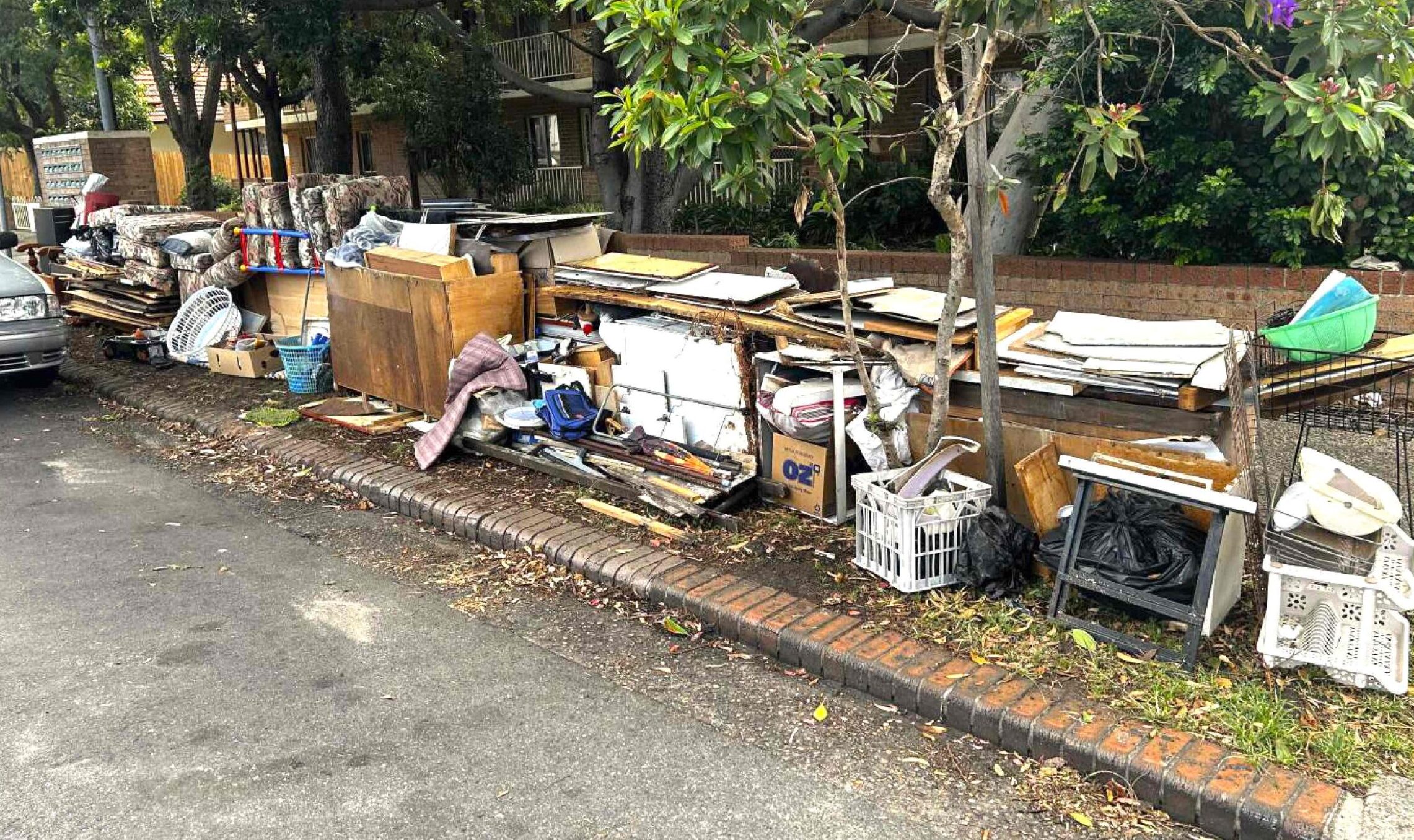
Have you been putting off that big clean-up or thinking about ways to tackle waste more efficiently in your home or business? Turning an idea into action can be the hardest part, especially when it comes to rubbish removal. Without a plan, the process can feel overwhelming, but with the right strategy, you can tackle waste removal quickly, affordably, and sustainably. This step-by-step plan is designed specifically for Sydney residents to help you go from “I need to get this done” to “Mission accomplished.”
1. Identify Your Rubbish Removal Goals
Start by defining what you want to achieve. Are you decluttering a single room, cleaning out your entire home, or clearing renovation debris? Understanding the scope of the project will help you decide what resources and time are needed. Be clear about the type of waste you’re dealing with—general rubbish, green waste, recyclables, or bulky items like furniture and appliances. This clarity will guide you in choosing the best method for removal.
2. Create a Waste Removal Timeline
Set a realistic timeline for your rubbish removal project. Whether it’s a weekend clean-up or a more extended effort over several weeks, break it into smaller, manageable tasks. For example, dedicate one day to sorting and decluttering and another to organizing the disposal process. Setting deadlines for each stage will keep you motivated and prevent procrastination. If you’re planning to hire a professional rubbish removal service, book them in advance to secure your preferred date.
3. Sort Your Waste for Disposal
Sorting your rubbish is essential for efficient and sustainable disposal. Separate items into categories such as recyclables, general waste, green waste, and donations. For recyclable materials like paper, glass, and plastics, use the appropriate council bins or drop-off facilities. Set aside reusable items, such as furniture or clothes, and donate them to charities or second-hand stores. Compost organic waste like food scraps or garden debris to reduce the amount of rubbish sent to landfills.
4. Choose the Right Rubbish Removal Method
Deciding how to remove your waste depends on the size and type of rubbish involved. For smaller jobs, council bin collections and recycling centers may suffice. For larger clean-ups, consider hiring a skip bin or a professional rubbish removal service. A professional service is often the best option for large loads, heavy items, or specialized waste like e-waste and construction debris. Look foir rubbish removal Sydney residents can trust to offer eco-friendly disposal and transparent pricing.
5. Prepare for Rubbish Collection Day
If you’re hiring a rubbish removal service or using a skip bin, preparation is key. Place your rubbish in an easily accessible location, such as a driveway or backyard, to ensure the process is quick and hassle-free. Make sure to inform the removal team of any large or unusual items, such as mattresses or appliances, so they can bring the necessary equipment. If you’re using a skip bin, avoid overloading it and adhere to the weight and material restrictions outlined by the provider.
6. Consider Eco-Friendly Practices
Sustainability should be a priority in any rubbish removal plan. Recycling and composting are two of the most effective ways to reduce your environmental impact. Many Sydney rubbish removal companies prioritize eco-friendly practices, such as donating reusable items and recycling materials where possible. Ask your chosen provider about their recycling rates and policies to ensure your waste is managed responsibly. Proper waste disposal not only benefits the environment but also helps you avoid fines for improper handling.
7. Manage Costs Effectively
Rubbish removal costs can vary depending on the method you choose, so it’s important to plan your budget. To save money, declutter thoroughly before booking a removal service to minimize the volume of waste. Compare quotes from multiple providers to find the best deal, and ask about discounts for bulk removal or combined services. If your clean-up is small, teaming up with neighbours for a shared removal service can also reduce costs.
8. Maintain a Clutter-Free Space
After completing your rubbish removal project, focus on maintaining a clean and organized space. Develop habits like regular decluttering, recycling, and proper waste sorting to prevent rubbish from building up again. For larger households, consider setting up a simple waste management system with labeled bins for recyclables, general rubbish, and green waste. Keeping your space clutter-free not only reduces stress but also makes future clean-ups much easier.
Conclusion
Turning your rubbish removal idea into action doesn’t have to be daunting. By setting clear goals, creating a timeline, and choosing the right disposal method, you can tackle waste removal efficiently and responsibly. Sorting your rubbish, adopting eco-friendly practices, and managing costs effectively will help you achieve a clean and organized space while minimizing your impact on the environment.
Whether you’re clearing out your home, tidying up your garden, or managing waste from a renovation, this plan provides a straightforward path to success. Start today and enjoy the satisfaction of a clutter-free, sustainable space in Sydney.
