
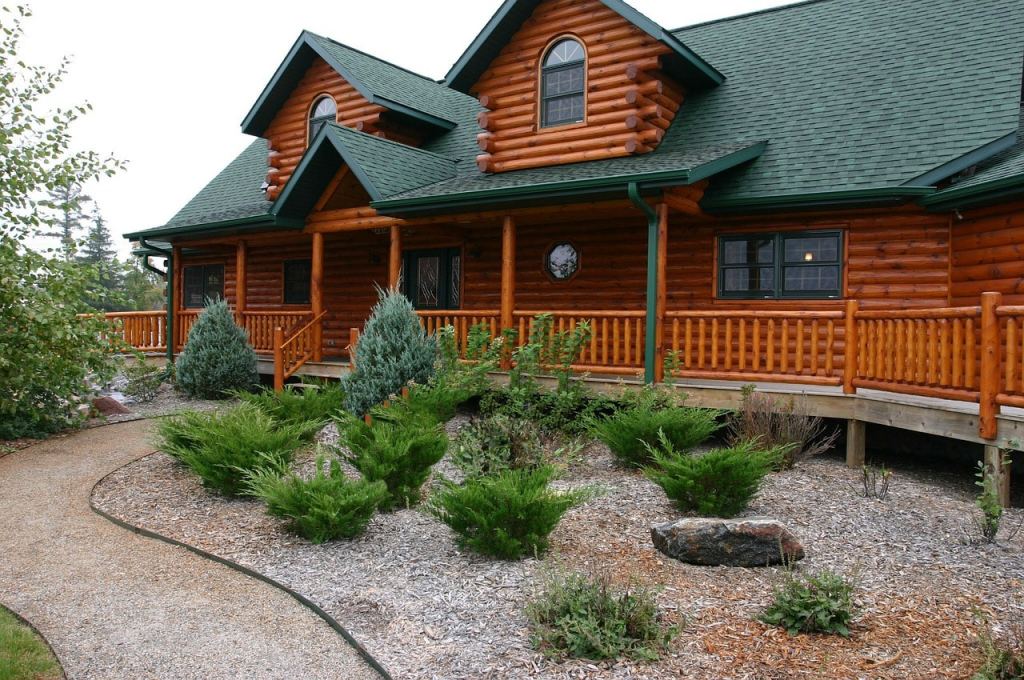
Investing in a log cabin brings rustic charm and a serene retreat, but it demands consideration. Firstly, assess location meticulously; climate, accessibility, and surroundings deeply impact your experience. Next, evaluate your intended use—is it a vacation home, permanent residence, or rental property? Each demands distinct features and considerations.
Financial planning is crucial; beyond the upfront cost, maintenance, insurance, and potential rental income need attention. Log cabins demand regular maintenance due to wood’s susceptibility to weathering and pests, so factor in ongoing upkeep. Understand local regulations and building codes, as they significantly influence construction and renovation.
Below we discuss what to consider before what to consider when buying log home kits in New York.
Location and Surroundings
The location sets the tone for your log cabin experience. Consider the climate—whether you prefer snow-covered landscapes or warmer, forested areas. Accessibility matters too; remote cabins offer seclusion but may pose challenges during winter or for emergency services.
Assess the surroundings for privacy, views, nearby amenities, and potential activities like hiking trails or water bodies. Proximity to towns or cities may affect convenience versus seclusion, catering to different preferences.
Intended Use and Lifestyle
Define the purpose of your log cabin—will it serve as a weekend getaway, a primary residence, or a rental property? Each purpose necessitates specific features. For a permanent residence, factors like proximity to schools, healthcare, and shopping become crucial.
Vacation homes might focus more on relaxation and recreational amenities. Rental properties demand durable finishes and amenities that appeal to potential guests.
Financial Considerations
Beyond the initial purchase cost, factor in ongoing expenses such as maintenance, property taxes, insurance, and utilities. Log cabins require regular maintenance due to wood’s susceptibility to weathering and pests. Plan for periodic inspections and potential repairs. Additionally, consider potential rental income if you intend to rent out the cabin, helping offset some costs but requiring compliance with rental regulations and additional management efforts.
Maintenance and Upkeep
Log cabins demand more upkeep than conventional homes. Wood is susceptible to weather damage and insects, necessitating regular staining, sealing, and pest control measures. Factor in both time and money for maintenance.
Ensure you’re willing to commit to the necessary care or have resources to hire professionals if needed.
Local Regulations and Building Codes
Understanding local regulations and building codes is critical before purchasing a log cabin. Different areas have specific regulations regarding construction, renovations, land use, and environmental impact.
Some locations might have restrictions on certain types of wood or building heights. Familiarize yourself with these guidelines to avoid complications during construction or renovations.
Cabin Design and Amenities
Consider the cabin’s layout, size, and amenities in line with your lifestyle and needs. Assess the number of bedrooms, bathrooms, kitchen space, and living areas.
Determine if the layout complements your preferences and if any modifications or additions are feasible. Amenities like fireplaces, outdoor spaces, or specific features should align with your envisioned use of the cabin.
Final Thoughts
By evaluating these six crucial points—location, purpose, financial aspects, maintenance needs, local regulations, and design considerations—you’ll make a more informed decision when buying a log cabin.
This thoughtful approach ensures your cabin serves as the perfect retreat, aligning with your lifestyle and offering a tranquil escape in harmony with nature.
